
For decades, added sugar has dominated the sweet landscape of our diets. Today, as consumers seek cleaner labels and whole-food ingredients, a time-tested sweetener is experiencing a massive revival: the date.
More than just a dried fruit, the date is a powerhouse of natural sweetness packaged with a critical advantage—fiber, vitamins, and minerals—making it a superior alternative to the empty calories of refined white sugar. The shift from a highly processed granule to this simple, nutrient-dense fruit is a foundational change for modern baking, cooking, and health.
Beyond “Empty Calories”: The Date’s Nutritional Edge
The core problem with refined sugar is its nutritional void. When sugarcane or sugar beets are processed into white sugar, all the beneficial components—the fiber, vitamins, and minerals—are stripped away, leaving only pure sucrose.
Dates, by contrast, are a whole-food sweetener. Whether used as a whole fruit, a paste, or a ground powder, they deliver a rich nutrient profile alongside their sweetness:
Fiber for Control
A single Medjool date contains about two grams of dietary fiber. This is the date’s greatest weapon against the blood-sugar spike caused by white sugar. Fiber slows the digestion and absorption of the fruit’s natural sugars, leading to a much more gradual and sustained energy release.
Mineral Density
Dates are a significant source of essential minerals, including Potassium (vital for blood pressure and fluid balance), Magnesium (important for bone health and muscle function), and small amounts of Iron and B-vitamins.
Antioxidant Power
Studies show dates are rich in antioxidants, such as polyphenols, flavonoids, and carotenoids, which help the body fight inflammation and oxidative stress—health benefits entirely absent in processed sugar.
Feature Dates (Whole Fruit/Paste) Refined White Sugar
Nutritional Value High in Fiber, Potassium, Magnesium None (Empty Calories)
Glycemic Index (GI) Low to Medium (Avg. GI ≈ 42-55) High (GI ≈ 65)
Processing Minimal (Drying/Grinding) Heavy chemical refining
Impact on Blood Sugar Slow, sustained rise Rapid spike and crash
Export to Sheets
Addressing the Blood Sugar Concern
The high sweetness of a date often raises concerns, particularly for those managing blood sugar. However, the presence of fiber is a game-changer. The average Glycemic Index (GI) of dates typically falls in the low-to-medium range, which is lower than that of white sugar.
This low GI, combined with the fiber, allows many people—including those with diabetes, when consumed in moderation and with medical guidance—to incorporate dates into their diet without the dramatic blood glucose fluctuations associated with processed sweeteners.
Making the Swap: Practical Tips for the Kitchen
Substituting dates for sugar requires a slight shift in technique, as you are swapping a dry granule for a moist, fibrous fruit.
1. The Power of Date Paste
The most common and effective substitute is homemade date paste.
To Make It:
Soak 1 cup of pitted dates in 1/2 cup of hot water for 15 minutes. Blend until perfectly smooth.
Substitution Ratio:
Start by replacing every 1 cup of sugar with 2/3 to 3/4 cup of date paste.
Key Adjustment:
Since date paste adds moisture, you must reduce the other liquids in your recipe (milk, oil, eggs) by approximately 25% to prevent baked goods from becoming dense or gummy.
2. Choosing the Right Form
The best form of date depends on your recipe:
Date Paste:
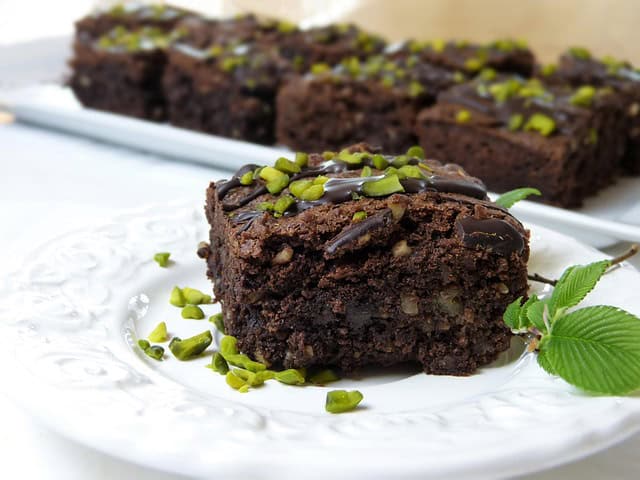
deal for binding ingredients in moist desserts, cookies, brownies, and energy bars, where its chewy texture is welcome.
Date Syrup:
A liquid sweetener perfect for beverages, marinades, salad dressings, and drizzling over pancakes or oatmeal.
Date Sugar:
Made from dried, ground dates, this powder is best used in recipes that require a dry, granulated ingredient (like a crumble topping) or where you want the fiber inclusion. Note: It does not dissolve well in hot or cold liquids.
By consciously replacing refined sugar with the whole-food sweetness of dates, you are not only trimming unnecessary processed ingredients from your diet but also enriching your meals with an ancient, sustainable, and highly nourishing fruit. The result is a richer, more satisfying sweetness that delivers genuine health benefits.